If you’ve ever hesitated before booking a traditional Thai massage because of feeling unsure what to expect, you’re not alone. Thai massage has a reputation for being more vigorous than other types of massage. It’s completely natural to feel unsure about what the experience actually involves.
I’ve been having Thai massages for around fifteen years now, including several trips to Thailand, and it remains one of my favourite forms of bodywork. Over time, I’ve learned what to expect, what’s normal, and what helps the experience feel grounding rather than overwhelming. That’s exactly why I’m writing this guide to share not just the practical steps, but the sensations, the atmosphere, and the small details that can help you feel at ease.
Whether you’re travelling solo, visiting Thailand for the first time, or trying a Thai massage closer to home, I hope this walkthrough helps you feel informed and reassured. A traditional Thai massage can be deeply restorative and knowing what to expect can make the experience feel far more accessible and enjoyable.
A brief history of traditional Thai massage
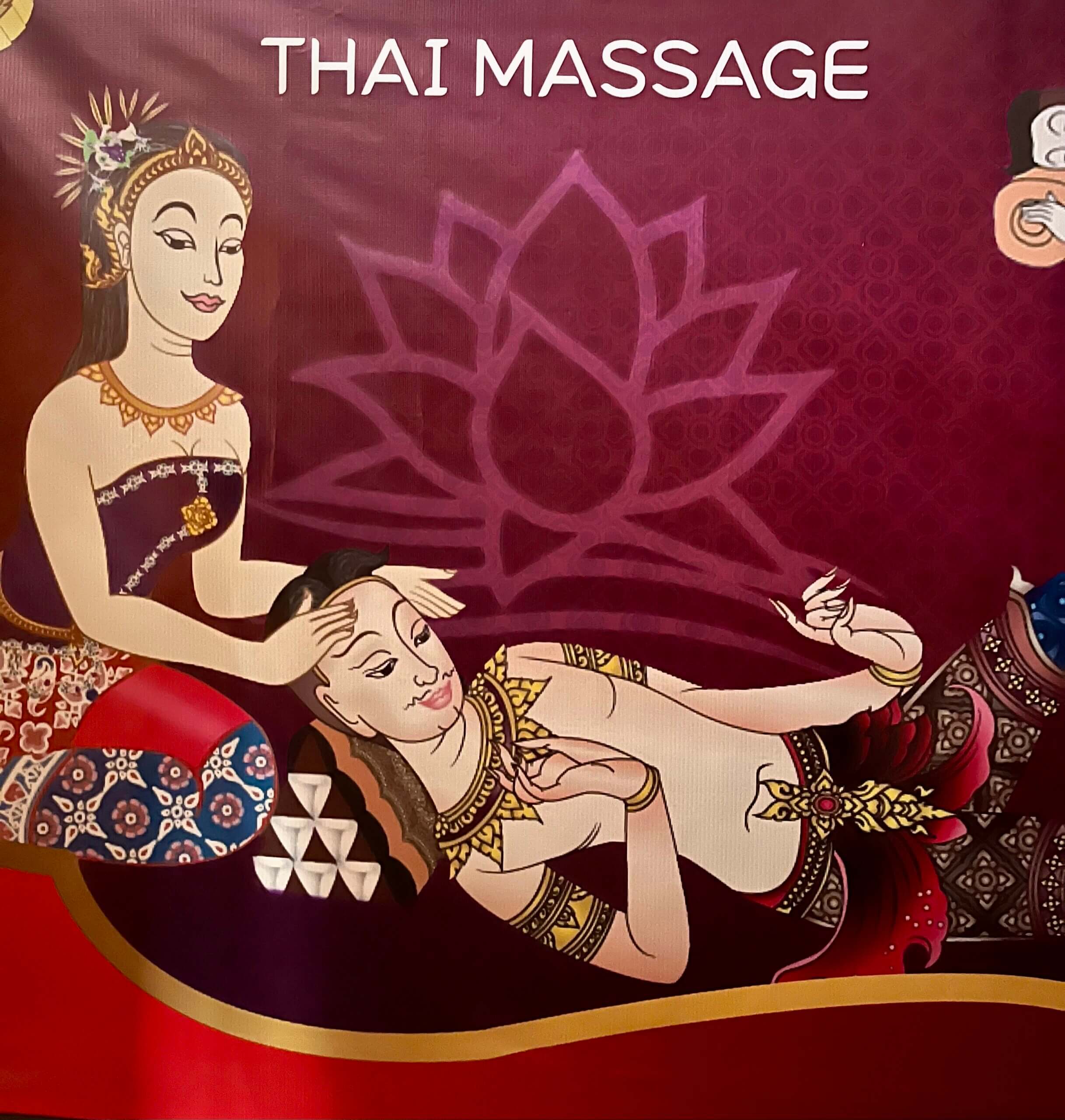
Traditional Thai massage, known locally as nuad boran, has been practised for more than 2,500 years. Its origins lie in a blend of Buddhist philosophy and ancient healing traditions that travelled through Thailand along early trade routes. For centuries, it was taught and practised in temples, where the techniques are still preserved and passed down today.
Today, you’ll find affordable options for Thai massage everywhere from small neighbourhood shops to dedicated wellness centres and temple schools. While the settings vary, the essence remains the same: a slow, attentive ritual shaped by centuries of tradition and quiet intention.
The benefits of thai massage
Published research indicates that Thai massage can have many benefits including reducing tension, stress and anxiety, and improving flexibility, circulation, posture and sleep quality.
For me personally, I’d agree with all of the above. Physically, I always leave feeling looser, lighter, and more mobile, as though someone has gently created space in areas I didn’t realise were tight. But the emotional impact is just as meaningful. As a psychologist, I spend a lot of time holding emotional and cognitive space for others, and Thai massage has become one of the most reliable ways I decompress. It’s one of the reasons I return to it so regularly, it feels like a reset for both body and mind.
What to expect
Step 1: Arrival and getting ready
In Thailand, the experience begins before you even step inside. Most massage shops have a small outdoor area where you’ll be asked to remove your shoes. It’s a small ritual of its own, a moment of transition, and they’ll usually hand you a pair of lightweight sliders to wear indoors.
Once inside, you’ll almost always be invited to sit while they prepare a bowl of warm water for your feet. It’s usually scented with slices of lemon, lemongrass, or kaffir lime leaves — fresh, bright, and instantly soothing. Your therapist will gently wash or soak your feet here, a gesture that feels both respectful and grounding. If there’s a short wait, they may offer you a cup of tea, often something herbal and calming.
Step 2: Choosing your massage
While you’re having your feet soaked, you’ll be given a menu of treatments to choose from. Most
Foot massage is usually the most visible option — you’ll see rows of large, reclining chairs at the front of the shop, often facing the street. It’s wonderfully relaxing, especially after a day of walking. The therapist will work on your feet, ankles, and calves, often using a combination of hands, knuckles, and a small wooden reflexology stick. Because they massage your calves as well, it’s usually best to wear shorts or loose trousers you can roll up. This is one of the gentlest, most soothing treatments, and it’s very common to see people drifting into a light sleep.
Traditional Thai massage takes place further inside the shop, usually in a quieter area. Because this style involves stretching, compression, and assisted movement, you’ll be given loose, pyjama‑like clothes to change into. They’re soft, comfortable, and designed to let you move freely. The therapist will guide your body through a series of stretches and pressure points, using their hands, elbows, knees, and sometimes even their feet. It’s more active than a typical Western massage, but it can be incredibly effective for releasing deep tension.
Oil massage is the option I personally choose most often, simply because I find it the most relaxing. It’s usually a little more expensive than the other treatments, but still very affordable by Western standards. This style takes place at the back of the shop, where the massage beds are separated by curtains for privacy. You’ll be asked to undress down to your pants and lie face down on the bed, with a towel or sheet covering you. The therapist will uncover only the area they’re working on, keeping the rest of your body warm and protected. The pressure can range from gentle to firm, depending on what you prefer, and the long, flowing movements make it easy to switch off completely.
Each style has its own benefits, and there’s no right or wrong choice — it really depends on what your body needs that day. Some people alternate between them throughout a trip; others find a favourite and return to it again and again.
Step 3: Having the Massage
If you’ve chosen an oil massage, your therapist will usually begin without any oil at all. They’ll spend a few minutes using their hands, forearms, or even their body weight to apply pressure and gently loosen the muscles before the smoother, flowing movements begin. This can feel quite firm — sometimes surprisingly so — but the therapists are highly trained and experienced. They know how to work with tension safely and effectively.
That said, you are always in control. If anything feels too intense, you can simply say “too much” or “less pressure please.” They will always adjust immediately and without hesitation. It’s completely normal to speak up, and they won’t take offence — communication is part of the process.
How should the pressure feel? Thai massage is designed to release deep, accumulated tension, so there may be moments that feel intense or slightly uncomfortable, especially when they’re working on tight areas. It can help to breathe slowly through these sensations rather than tensing against them. But it should never feel sharp, alarming, or painful. If it crosses that line for you, it’s important to say so — the goal is release, not endurance.
Once your muscles are warmed and loosened, the therapist will begin using oil (if you’ve asked for this). They’ll start with your back, shoulders, and arms, working in long, rhythmic strokes that feel deeply soothing after the initial pressure work. They’ll then move to your legs, uncovering only the area they’re working on and keeping the rest of your body covered with a towel or sheet.
After this, they’ll ask you to turn over. The front of the legs and arms are usually next, followed by the shoulders, and sometimes the head and face. The head massage in particular can be incredibly calming — a soft, grounding way to finish.
At the very end, some therapists will gently sit you up and offer to make a few movements to crack your back or stretch your shoulders. This is completely optional. If it’s not something you enjoy, you can simply decline with a smile and they’ll move on.
Throughout the massage, the atmosphere is usually quiet and unhurried — low lighting, soft music, and a sense of being cared for in a way that feels both attentive and respectful.
Step 4: After your massage
When your massage finishes, your therapist will usually remove any excess oil with a warm towel so you’re not left feeling slippery. Even so, it’s best to avoid wearing your nicest clothes — a little oil can linger on the skin, and loose, comfortable fabrics are always the easiest option afterwards.
It’s very common to feel a little tired or floaty once you stand up. Thai massage works deeply on both the muscles and the nervous system, so that sense of heaviness or sleepiness is completely normal. Many people — myself included — find they sleep incredibly well that night, as though the body has finally been given permission to let go.
Before you leave, they’ll often bring you a small cup of tea — usually something herbal and calming — and give you a moment to come back into yourself before stepping outside again. It’s a gentle way to close the experience.
Once you’re ready, you’ll be asked to pay. Most places accept cash and card, and tipping is always appreciated, especially if you’ve had a particularly attentive therapist.
It’s also a good idea to drink plenty of water afterwards. Thai massage encourages circulation and lymphatic flow, and staying hydrated helps your body process the effects more smoothly.
Final Thoughts
Thai massage is such an integral part of Thai culture, and you really feel that from the moment you arrive — the sheer number of massage shops, the ease with which people drop in after work or a long day, the way it’s woven into everyday life. It’s also incredibly affordable compared to Western prices, which makes it easy to experience regularly during a trip.
For me, it’s one of the most restorative things you can do in Thailand. The combination of physical release and psychological calm is hard to match, and I hope this guide has helped to demystify the process so you can step into your first massage feeling informed and at ease.
If you’re planning a visit to Thailand, I definitely recommend trying at least one traditional Thai massage — whether it’s a gentle foot massage after a day of exploring or a full oil massage when you need deeper rest. And if you’d like more inspiration for your trip, you can read my Things to Do in Chiang Mai post next.