Dr Charlotte Russell, Clinical Psychologist and Founder
This guide contains affiliate links. This means that if you book through the links provided this blog may receive a small commission at no cost to you.
Planning a trip to Wales can feel overwhelming at first — there’s so much to see, and most of the country is rural, and so planning routes is not simple. As someone who grew up in North Wales, studied and lived in Cardiff for ten years, and has spent a lifetime travelling around the country, I’ve designed this itinerary to give you the best possible introduction to Wales. It balances the headline sights with quieter moments, a mix of activities, and a route that actually makes sense on the ground.
I’ve tried to create something that feels rounded and realistic: the kind of trip where you’re not rushing, but you’re still seeing the very best of what Wales has to offer. This itinerary works beautifully for a first‑time visit, giving you a taste of the south, the mountains of Eryri, the coastlines of the north, and the towns and villages that make Wales feel so distinctive. It’s also flexible — you can stretch it, shorten it, or swap days depending on your interests.
Without further ado, let’s move on the the itinerary.
Days 1–2: Cardiff & The Vale of Glamorgan
Base: The Vale Resort or The Priory, Caerleon (2 nights)
For your first two nights, I recommend staying either at The Vale Resort just outside Cardiff or The Priory in Caerleon. Both are excellent strategic bases: close enough to reach Cardiff city centre easily, but perfectly positioned for quick access to the motorway.
The Vale offers a modern, spacious resort feel with countryside calm; The Priory gives you a more intimate, characterful stay in the heart of Caerleon’s historic village. Either way, you’re well placed for a varied and rewarding start to your trip.
If you prefer to stay more centrally in Cardiff, The Park Plaza is a great choice. You can get to the main shopping street within a few minutes of walking, or in five minutes in the opposite direction you will find the castle and Bute park. The hotel also has a large swimming pool, which is quite unusual given how central it is. We’ve had breakfast here too and it was great, with high quality ingredients and a lot of choice.
What to see and do on this leg
Cardiff City Centre Start with the capital itself. Cardiff is compact, walkable and full of character: Victorian shopping arcades, independent cafés, the National Museum, and the green sweep of Bute Park right in the middle of the city.
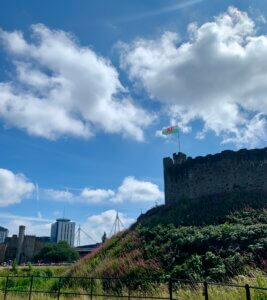
Cardiff Castle A fascinating blend of Roman foundations, medieval walls and the extraordinary Gothic Revival interiors created by the Marquess of Bute. It’s one of the most distinctive castles in the UK.
Cardiff Bay A modern waterfront with restaurants, the Senedd, the Wales Millennium Centre and long, easy walks along the water. It’s a lovely contrast to the historic centre.
Raglan Castle A little further north, Raglan is romantic and golden‑stoned, with towers and views that make it feel almost storybook. It’s a beautiful example of a late medieval castle built more for show than defence.
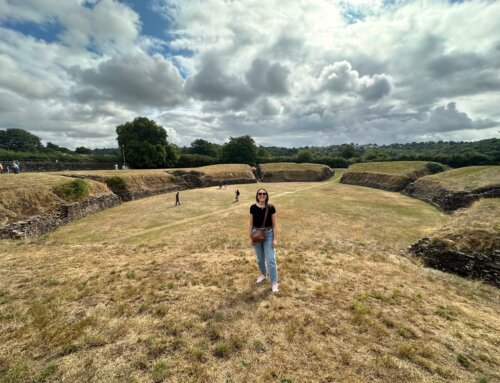
Caerleon Roman Settlement One of the most important Roman sites in Britain, with an amphitheatre, barracks and a museum that brings the Roman presence in Wales to life. You can find my full guide to Caerleon here.
St Fagans National Museum of History An open‑air museum that tells the story of Welsh life through reconstructed buildings, from farmhouses to chapels to a Victorian school. It’s one of the best cultural experiences in Wales and an easy visit from the Vale.
Days 3–4: Tenby & the Pembrokeshire Coast
Base: Broadmead Boutique B&B (1–2 nights)
After a busy couple of days exploring South East Wales, it’s time to slow the pace. From Cardiff or Caerleon, it’s around a two‑hour drive west to Tenby, a colourful harbour town that feels instantly different — softer, slower, and shaped by the sea. The drive itself is easy and scenic, and arriving in Tenby genuinely feels like stepping into a gentler rhythm of life.
Tenby is one of Wales’ prettiest coastal towns, with pastel houses, a sandy beach, a small island fort, and in true Welsh fashion, another castle. This one is less well-preserved, but worth a visit nonetheless. Tenby is the kind of place where you can wander without a plan, dip into cafés, walk along the harbour walls, or simply sit on the beach and breathe for a moment.
I recommend staying at the Broadmead Boutique B&B, a peaceful, elegant spot just outside the centre. It’s close enough to walk into town, but far enough to feel like a retreat. You can stay one or two nights, depending on how slow you want to take this part of the trip. If you’ve been craving a breather, this is the perfect place to build it in.
What to see and do on this leg
Explore Tenby’s Old Town Narrow streets, pastel buildings, independent shops and sea views around every corner. It’s postcard‑pretty without feeling overly polished.
Tenby’s Beaches North Beach and Castle Beach are the classics — golden sand, clear water and views of the harbour and St Catherine’s Island.
Tenby Castle & Museum A small but atmospheric ruin perched on a headland with sweeping views. The museum nearby gives a lovely sense of the town’s maritime history.
Harbour Walks The harbour is one of the most photographed spots in Wales. Early morning and golden hour are especially beautiful.
Days 5–7: Snowdonia, Coast & Castles of North West Wales
Base: Penmaenuchaf Hotel, near Dolgellau (3 nights)
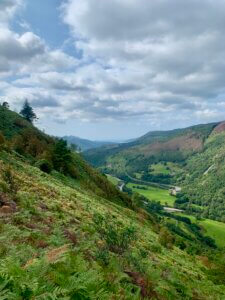
After the coast, it’s time to head into the mountains. From Tenby, it’s around a three‑hour drive north to Dolgellau, a pretty market town tucked beneath the Cadair Idris range. This is where Wales starts to feel wilder and more dramatic — deep greens, fast rivers, stone cottages, and mountains rising suddenly around you.
I recommend basing yourself at Penmaenuchaf Hotel, a beautiful country house overlooking the Mawddach Estuary. The views from the rooms are extraordinary: rolling hills, shifting light, and that unmistakable sense of being somewhere peaceful and remote. Staying here for three nights gives you time to settle in, breathe, and explore the very best of North West Wales without rushing.
What to see and do on this leg
Dolgellau & the Mawddach Estuary Don’t overlook your immediate surroundings. Dolgellau is charming, and the Mawddach Trail offers one of the most scenic, gentle walks or cycles in Wales, following the estuary all the way to Barmouth.
Snowdon (Yr Wyddfa) The highest mountain in Wales and the heart of Eryri National Park. You can hike one of the classic routes if you’re feeling energetic, or take the Snowdon Mountain Railway from Llanberis for a gentler way to reach the summit. Either way, the views are unforgettable.
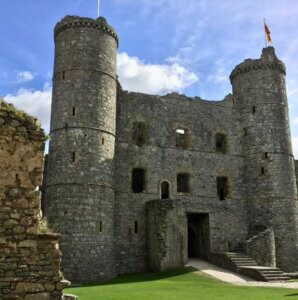
Harlech Town & Beach A UNESCO World Heritage Site, Harlech Castle sits high above one of the most beautiful beaches in Wales. The combination of medieval stone, sweeping sands and mountain views is pure North Wales magic.
Portmeirion A colourful, Italianate village tucked into a forested peninsula. It’s whimsical, cinematic and unlike anywhere else in the country — a lovely half‑day wander with cafés, gardens and hidden viewpoints.
Anglesey If you have a full day to spare, Anglesey is absolutely worth the drive. Highlights include:
- Newborough Beach & Forest — one of the most spectacular coastal landscapes in Wales, with views across to Snowdonia.
- Menai Bridge — the elegant suspension bridge linking the island to the mainland, with beautiful walks along the strait.
- Plas Cadnant Hidden Gardens — a restored historic garden full of waterfalls, ferns and quiet pathways.
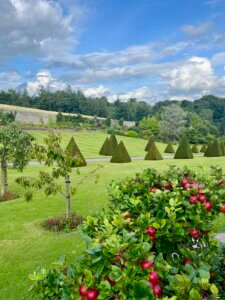
Anglesey has a slower, more spacious feel — a lovely contrast to the mountains.
Day 8: Llangollen — Railways, Ruins & a Perfect Final Evening
Base: Chainbridge Hotel (1 night)
For your final night in Wales, I suggest heading to Llangollen, around a 90‑minute drive from Dolgellau. It’s one of those towns that quietly captures people’s hearts — tucked into a steep river valley, full of Welsh charm, and offering a mix of scenery, history and gentle adventure that feels like the perfect way to round off your trip.
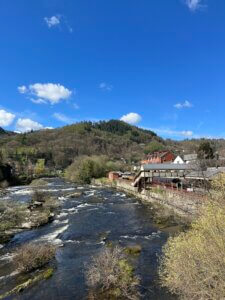
I recommend staying at the Chainbridge Hotel, which sits right beside the River Dee and the Llangollen Canal. It’s a wonderfully atmospheric spot: the sound of the river, the old chain bridge, the steam railway passing nearby. It feels quintessentially Welsh in a way that’s hard to manufacture.
What to see and do on this leg
Llangollen Railway A heritage steam railway running through the Dee Valley — one of the most beautiful stretches of countryside in Wales. It’s nostalgic, scenic and a lovely way to slow down on your final day.
Dinas Brân Castle The ruins of Castell Dinas Brân sit high above the town. The walk up is steep but short, and the views from the top are spectacular — rolling hills, the river winding below, and a sense of ancient history in the air.
Pontcysyllte Aqueduct A UNESCO World Heritage Site and one of the great engineering feats of the Industrial Revolution. Walking across the aqueduct is unforgettable: narrow towpath, open sky, and the valley dropping away beneath you.
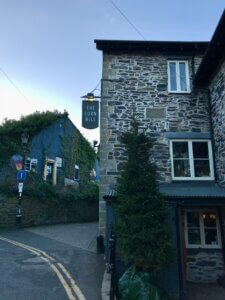
The Corn Mill For your final Welsh dinner, The Corn Mill is a perfect choice. Set right on the river with views of the rapids, it’s cosy, atmospheric and reliably good — the kind of place where you can sit back, reflect on your trip and enjoy a slow, satisfying meal.
Why Llangollen Works So Well as a Finale
It brings together everything you’ve experienced over the past week: scenery, history, water, mountains, and that gentle Welsh charm that’s hard to put into words. It’s a soft landing before you head home — memorable without being overwhelming. Llangollen sits near to the border, so however you arrived, you can get straight back on the motorway for your journey home.
Closing Your Best of Wales Journey
By the time you leave Llangollen, you’ll have experienced the full sweep of Wales — its cities, coasts, mountains and small towns, each with their own rhythm and character. This itinerary is designed to give you a rounded, meaningful introduction to the country: a balance of headline sights and quieter moments, scenic drives and slow mornings, history and nature. Whether you came for the castles, the landscapes or simply to understand Wales a little better, you’ll leave with a sense of how varied, beautiful and deeply rooted this place is. And if you’re anything like me, you’ll already be planning your return before you’ve even crossed the border home.
For more on this topic, check out my Wales travel guide.