Dr Charlotte Russell, Clinical Psychologist & Founder
I’m Welsh, and Wales is the landscape that shaped me. I grew up in North Wales, studied my undergraduate degree in Cardiff, and spent a decade living in the capital. For years, I probably took it all for granted — the mountains on my doorstep, the castles that appeared around every bend, the coastline that felt both wild and familiar. It was simply home.
But the older I get, the more I realise how extraordinary my country truly is. Scotland often gets the global spotlight for dramatic scenery, but Wales has landscapes every bit as striking — rugged mountains, sweeping beaches, deep green valleys, and more castles than you could ever imagine. It’s a place where history feels alive, where walking trails lead to ancient fortresses, and where small towns hold stories that stretch back centuries.
This guide brings together the Wales I know intimately: the places I grew up exploring, the cities I lived in, and the landscapes I’ve come to appreciate with fresh eyes. Whether you’re planning a weekend escape or a longer adventure, Wales offers something quietly spectacular at every turn.

The big hitters: Wales’ most extraordinary sights
Wales is a country of headline moments and places that stay with you long after you’ve left. These are the sights that define the landscape, the history, and the emotional pull of the country.
Castles: The Story of Wales in Stone
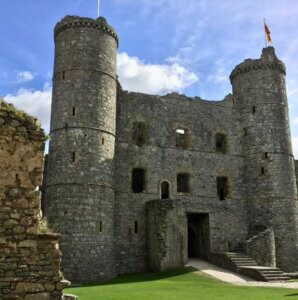
Wales has more castles per square mile than anywhere else in Europe, and they’re some of the most dramatic you’ll ever see. My personal favourites are in the north: Harlech, perched high above sweeping sands with views that feel almost mythic, and Beaumaris, an unfinished masterpiece of medieval engineering on the edge of the Menai Strait. In the south, Caerphilly — vast, moated, and imposing — and Raglan, with its romantic towers and golden stone, show a different side of Welsh history. Each one tells a story of power, conflict, and resilience.

Snowdon and Eryri National Park
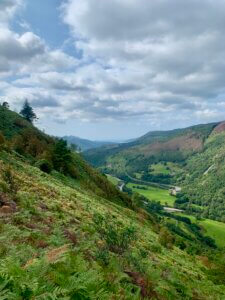
No guide to Wales is complete without Snowdon (Yr Wyddfa) and the surrounding national park. These mountains shaped my childhood sense of scale — rugged, cinematic, and endlessly walkable. Whether you hike to the summit or explore the quieter valleys, Eryri feels like the beating heart of Wales. If the mountains weren’t enough there are some beautiful lakes to add to the sense of awe.
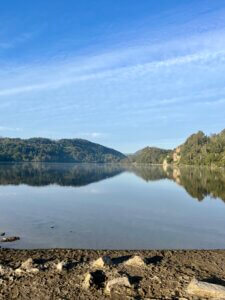
Llangollen and the surrounding Dee Valley
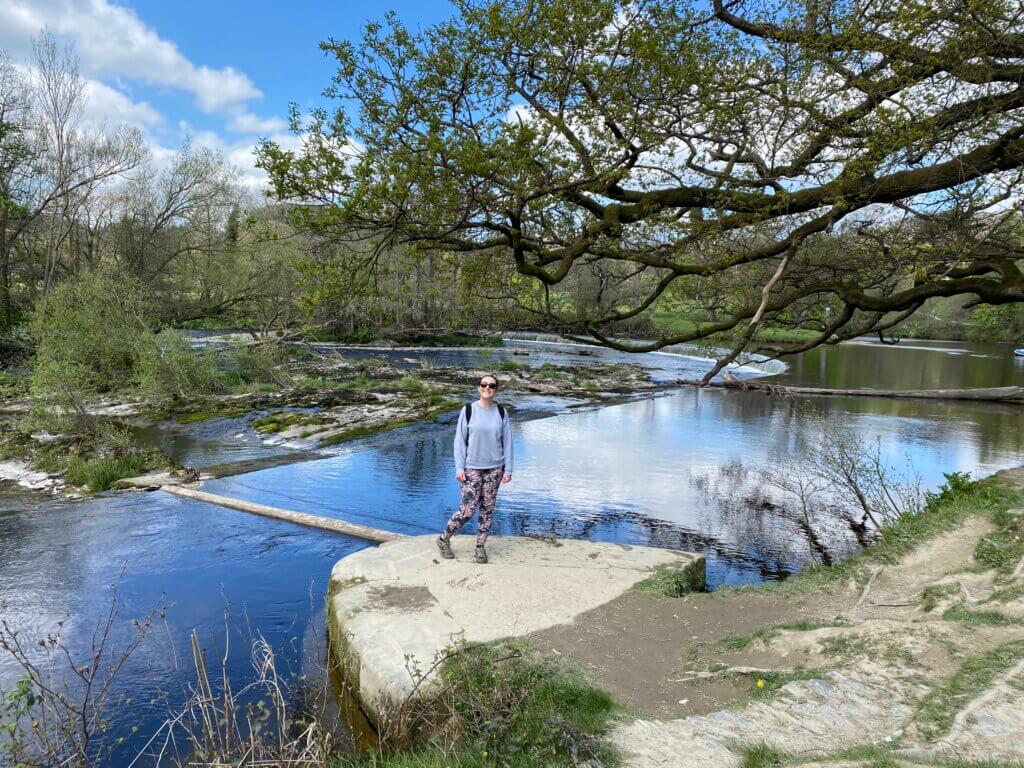
Llangollen is one of my favourite places in the world, and the surrounding area is officially recognised as an Area of Outstanding Natural Beauty for good reason. The combination of river, hills, steam railway, canal, and castle ruins creates a landscape that feels both gentle and dramatic. It’s a place I return to again and again.
Cardiff
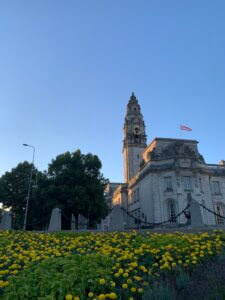
Cardiff often surprises visitors. Beyond the castle and the bay, the city is full of elegant Victorian arcades, grand civic buildings, and atmospheric shopping passages. Having lived there for ten years, I’ve come to appreciate how its architecture reflects a city built on the mining industry, culture, and reinvention.
Beaches
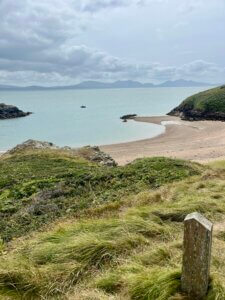
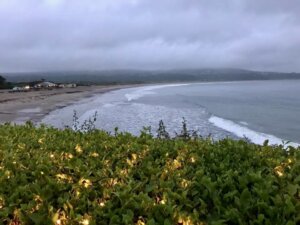
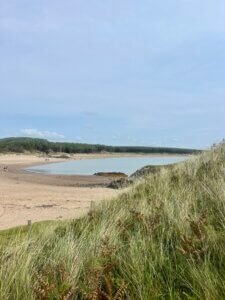
Wales’ coastline is one of its greatest treasures. In the north, Harlech Beach stretches for miles beneath the castle, and Newborough on Anglesey offers dunes, forests, and views across to Snowdonia. In the south, Oxwich Bay on the Gower Peninsula is one of the most beautiful beaches in the UK — wide, soft, and perfect for long, slow walks.
Menai
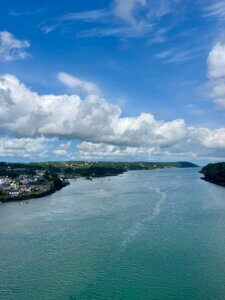
The Menai Strait is one of the most beautiful stretches of water in Wales between mainland Wales and the island of Anglesey. The iconic Menai Suspension Bridge, designed by Thomas Telford, is a masterpiece of 19th‑century engineering connects the two sides and still feels awe‑inspiring today. Menai Bridge town itself is full of independent cafés, coastal walks and views across to Snowdonia — a perfect blend of history and scenery.
Portmeirion
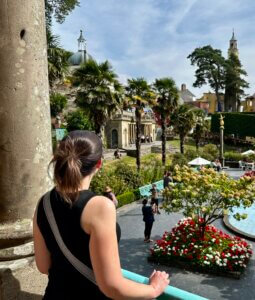
Portmeirion is unlike anywhere else in Wales — a colourful, Italianate village tucked into a forested peninsula overlooking an estuary. It feels whimsical and cinematic, with pastel buildings, subtropical gardens and hidden viewpoints. It’s one of the most photographed places in the country and a reminder of how playful and imaginative Welsh landscapes can be.

Language and culture
One of the first things visitors notice in Wales is the language. Welsh (Cymraeg) is one of the oldest living languages in Europe, and it’s woven into daily life — from road signs to place names to casual greetings. You’ll find it spoken more and more as you move West throughout the country, away from the border and towards the coast. The sounds can feel unusual if you’re not used to them, and tourists understandably struggle with pronunciation (honestly, often I do too). But a simple “bore da” (good morning) or “diolch” (thank you) is always appreciated.
You’ll also spot some wonderfully long Welsh words on road signs — part poetry, part tongue‑twister — and they’re a source of delight for visitors. Culturally, Wales shares deep roots with other Celtic nations, including Scotland and Ireland.
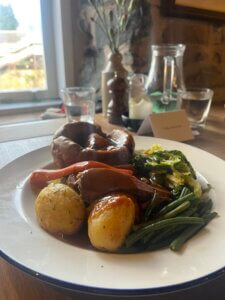
Our national flower is the daffodil, and our flag proudly features a red dragon, a symbol of strength and identity that sets us apart from the rest of the UK. And if you’re looking for a truly Welsh meal, try a lamb roast dinner. You’ll see plenty of sheep on your travels here, and lamb has long been at the heart of Welsh cooking.
This blend of language, landscape and tradition is part of what makes Wales feel so distinctive — familiar yet entirely its own.
Iconic Hotels in Wales
This section contains affiliate links which means if you book through the links provided, this blog will receive a small commission at no cost to you.
Wales is full of hotels with personality — places that feel rooted in the landscape and offer a memorable base for exploring the country. Here are some of the most iconic stays, divided into North and South Wales.
Iconic Hotels in North Wales
Château Rhianfa, Anglesey
A fairytale‑style château overlooking the Menai Strait, Château Rhianfa is one of the most romantic stays in Wales. Turrets, gardens and water views give it a sense of old‑world glamour, with Snowdonia rising in the distance.
A great base for: exploring Anglesey’s beaches, visiting Beaumaris Castle, crossing the bridges to Snowdonia, and taking scenic drives around the island.
Ruthin Castle, Ruthin
If you’ve ever wanted to sleep in a castle, Ruthin Castle Hotel and Spa delivers the full experience. Set within ancient walls and surrounded by woodland, it blends history with comfort. If you can’t stretch to staying here, they do a wonderful afternoon tea and afterwards you can explore the grounds – complete with seeing peacocks doing what peacocks do!
A great base for: exploring the Clwydian Range, visiting Llangollen and the Pontcysyllte Aqueduct, and discovering the market towns of North East Wales.
Lake View Hotel, Llanberis
Right in the heart of Eryri (Snowdonia), Lake View Hotel offers exactly what its name promises: peaceful views across Llyn Padarn and immediate access to the mountains. This reaches iconic status on my list because of the location and views in an area where hotels are in short supply and high demand.
A great base for: climbing Snowdon (Yr Wyddfa), exploring Llanberis, visiting the Slate Museum, and taking the Snowdon Mountain Railway.
Iconic Hotels in South Wales
Voco St David’s, Cardiff
A modern Welsh landmark overlooking Cardiff Bay, Voco St David’s is all sweeping glass, soft light and waterfront views. If that wasn’t enough, the spa is exceptional.
A great base for: exploring Cardiff’s Victorian arcades, the National Museum, Cardiff Castle, the Bay, and the city’s growing food scene.
Celtic Manor Resort, Newport
Famous for hosting the Ryder Cup, the Celtic Manor is Wales’ grand, all‑encompassing resort experience. Golf courses, spas, restaurants and woodland walks make it a destination in itself. This is another great option for afternoon tea if you don’t want to stay here but fancy a visit nonetheless.
A great base for: exploring the Wye Valley, visiting Caerleon’s Roman sites, day trips to Cardiff, and enjoying South Wales’ countryside.
Oxwich Bay Hotel, Gower Peninsula
Set beside one of the most beautiful beaches in the UK, Oxwich Bay Hotel is all about coastal calm — long walks, sea air and golden sunsets. I’ve been to a couple of weddings here, which speaks to how beautiful the scenery is.
A great base for: exploring the Gower Peninsula, visiting Rhossili Bay, coastal hikes, and discovering Swansea and Mumbles.

Getting Around Wales
Wales is a country of mountains, valleys and long, winding coastlines — beautiful, but very rural once you step outside the cities. Public transport exists, but it doesn’t always run frequently or connect the smaller towns and national parks in a way that makes exploring easy. For most visitors, having a car is the simplest and most flexible way to get around.
The good news is that driving in Wales is part of the experience. The scenery is extraordinary: mountain passes, coastal roads, forests, lakes and villages that appear suddenly between hills. Even short journeys can feel like part of the adventure.
Arriving in Wales
Wales has one main airport:
- Cardiff Airport (South Wales) It’s convenient for Cardiff, the Vale of Glamorgan and the Gower Peninsula, but it’s relatively small with limited international routes.
If you’re planning to explore North Wales, most travellers fly into:
- Manchester Airport It’s the closest major international airport to the north, with excellent road and rail links into Snowdonia, Llandudno, Anglesey and the North Wales coast.
Other ways to arrive
- Train from London: Fast and easy for Cardiff, Newport and Swansea.
- Train from Manchester or Liverpool: Good for Chester, Llandudno Junction and Bangor.
- Ferries to Holyhead (Anglesey): Ideal if you’re coming from Ireland.

Best time to visit Wales
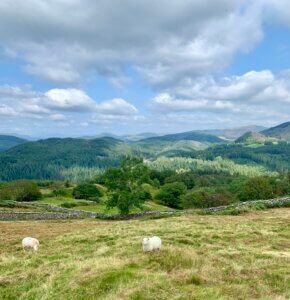
Wales is at its best between May and September, when the days are long, the hills are green, and the weather is (usually) kind enough for the outdoor adventures that make this country so special. This is the season for coastal walks, mountain hikes, castle‑hopping and long evenings that stretch into soft, golden light.
Yes, it’s the busier time of year — but “busy” in Wales is all relative. If you’re used to living in a city, the crowds here feel gentle. Even in peak season you can find quiet beaches, empty trails and peaceful viewpoints simply by stepping a little off the main path. The landscapes are so vast and the rural areas so widespread that people naturally disperse.
Spring (especially May) brings wildflowers, lambs in the fields and some of the best walking weather of the year. Summer is perfect for beaches and long days outdoors. Early autumn can be glorious too, with warm colours and fewer visitors.
Planning Your Trip
Wales is a country that rewards slow travel, scenic detours and time spent outdoors — and the best way to experience it is with a route that matches your interests. If you’re ready to start planning, here are some of our detailed itineraries to help you shape your trip.
Cardiff Itinerary
A guide to Wales’ capital: Victorian arcades, the castle, the bay, independent cafés and the city’s cultural heart.
Llangollen Itinerary
A guide to one of my favourite places in the world — steam railways, canal walks, castle ruins and the landscapes that earned its status as an Area of Outstanding Natural Beauty.
North Wales: 5‑Day Itinerary
Mountains, beaches, castles and coastal towns. This 5 day route covers some of the most dramatic scenery in the country, including Snowdonia, Anglesey and the Llyn Peninsula.
Best of Wales Itinerary
My best of Wales itinerary helps to explore the highlights of the whole country — from Cardiff and the Gower to Snowdonia, Llangollen and the North Wales coast. This will be the perfect starting point for first‑time visitors who want a little of everything.