


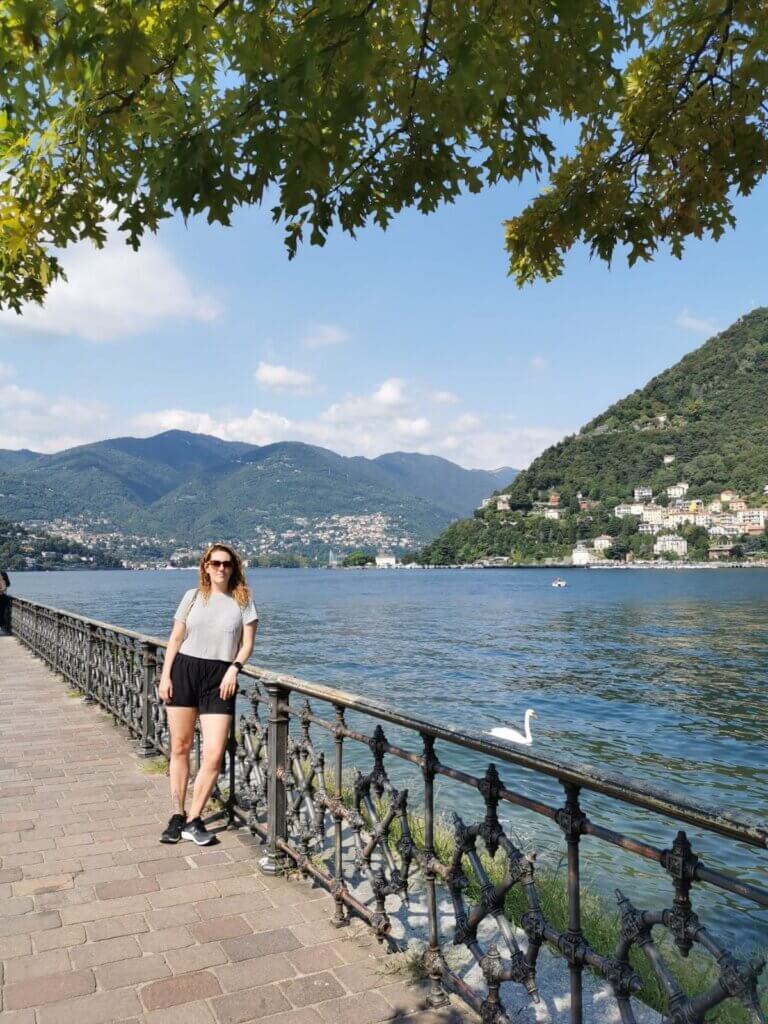
Dr Jennifer Steans, Forensic Psychologist and Guest Contributor
This article illustrates my personal and professional experience as an AuDHD psychologist with a long-standing love of travel. This is not meant to be an exhaustive guide, but highlights some of the most common areas of difficulty and offers a range of strategies to help.
Autism and ADHD may present with competing needs. ADHD brains seek novelty and sometimes become bored and disengaged with the repetitive routine of life. A trip away is the perfect opportunity to explore something new and exciting. On the other hand, autistic brains thrive on predictability and might be left feeling anxious and overwhelmed by the idea of travel. With some consideration, it is possible to find a balance that works for both.
Change
Changes to the routine and environment can unsettle the system and lead to a feeling of unease or anxiety. Anticipating this could happen helps to normalise the feeling when it arrives. Transitions may also be difficult; keep in mind that the first day or so of a trip might leave you feeling disorientated or ‘not quite right’. One idea is to avoid planning anything particularly busy or demanding in the first day or two, allowing yourself to adjust to a new routine. Many autistic people find comfort in preparing for a trip by researching it first. Seeing photos of hotels, restaurants or travel routes can help to ease anxiety because you know what to expect.
Tips:
• Prepare thoroughly for your trip – this is likely to take longer than you think, so start completing smaller tasks early on, to reduce any last minute overwhelm.
• Take comfort or familiar items with you.
• If feeling uncertain when you are away, looking at photos of home or your pet/friends can help you to feel connected and grounded.
• Keep some aspects of your routine in place. Sticking to at least one predictable mealtime such as breakfast can be helpful, and it is usually possible to take some ‘safe’ foods with you.
Expectation versus reality
Autistic people can sometimes have set expectations about how places might look, how they might feel when they are there, or what they want from a trip. This isn’t helped by social media or the pressure for a holiday to cure all our stress! It is then disappointing when the reality doesn’t meet our expectations.
Remember that alongside some magical experiences, travel is often full of discomfort – unplanned weather, forced itinerary changes, awkward social exchanges – all of which might lead to us feeling something is wrong. I’ve always struggled to answer the yes/no question ‘did you have an amazing time?’, because yes, there have been some amazing parts (including some travel experiences I’d describe as life-changing), but these were mixed with days that felt scary, moments where I desperately missed home and trips that felt downright dull. All of this has helped me develop into the person that I am because travel offers us so much more than simply having an ‘amazing’ time.
Tips
• If you look at social media, try to keep in mind that it often doesn’t represent how a place will look in real life.
• Opinions differ, and something others think is amazing, might not be something you like and that is ok.
• It is ok to have a ‘bad’ day, try to chalk it up to experience. If nothing else, you will have learnt something about yourself and what you need going forward.
Sensory needs
Travel is often very demanding from a sensory point of view. The noise and smell of the plane, being close to others, using public transport more regularly than usual, and processing novel smells and tastes. All of this is experienced at a heightened level as a neurodivergent person and may lead to overwhelm. However, travel also offers us unique moments of sensory joy which help to balance out any challenges.
Tips
• Have some idea of the types of activities and days that are likely to be tiring and plan the itinerary to ensure a balance of exploring and resting.
• Planning sensory rest breaks is key to restoring energy levels. Short breaks in your room before or after activities will help to reduce energy crashes.
• Use sensory support strategies such as noise cancelling headphones, fidget toys, familiar smells or soothing materials.
• Try to include activities within your trip that meet your sensory needs such as swimming, massage, or walking.
Emotions
Overwhelming emotions can be a part of the neurodivergent experience, and despite the pressure you might feel to have a ‘good’ time, travel often comes with multiple demands that may lead to heightened levels of anxiety, tearfulness or fatigue. Although it might feel disappointing when you don’t feel how you imagined, try to take a compassionate approach to your feelings as they arrive and remember it makes sense that you would be feeling that way. There are lots of things that will help, but compassionate acceptance is a useful starting place.
Often in the lead up to a trip, I’m repeatedly asked if I’m excited, which is a feeling I don’t really experience. Difficulties in experiencing and describing emotions is common for neurodivergent people. When travelling with others, this can feel isolating; others around you might feel excited or moved by something and you may feel the opposite, or nothing at all. Remember, this doesn’t mean there is anything wrong with you or that you are unable of having a good time – feelings sometimes arrive later on, once the experience has been fully processed.
As demands build, meltdowns or shutdowns can occur as a response to overwhelm. This is your body’s way of letting you know that something needs to change. Recognising your early signs of overwhelm and doing your best not to ‘push through’ will help to lessen the intensity of these experiences. Meltdowns or shutdowns can be thought of as an opportunity for the system to ‘reset’. Although this might be disappointing if you have to change plans or spend time in your room, listening to your body, and trusting its experience is important.
Tips
• If you feel able, share how you are feeling with others at home, or people you are travelling with. A simple ‘I’m feeling a bit wobbly today’ can help to reduce the pressure to present in a certain way.
• Remember that emotions are nothing to fear and will pass through.
• Try to take the pressure off yourself to have ‘the best time ever’. It’s ok to just have an experience, whatever that might feel like.
Closing thoughts
Remember, travel looks different for everyone, and this might change over time as you become more aware of your own changeable needs. These days, I enjoy holidays that are relatively low demand, centre around one of my many special interests and include plenty of rest! Try for a moment to let go of neurotypical standards and ask yourself: ‘what would a good trip look like for me?’.
If you liked this article check out Travelling with ADHD: Advice from Psychologists